THE PROBLEM

The same organization.
Different pictures.

A plan says one thing. The people doing the work see something else. A report shows progress, but leaves out the workarounds keeping things moving.

These differences develop as organizations change. Priorities shift, responsibilities move, and people adapt. What one team learns may never reach another.

A commitment can look achievable until someone discovers a missing dependency, an unclear responsibility, or work that nobody accounted for. By then, decisions have already been made.

The challenge is understanding how those pieces fit together—and keeping that understanding current as things change.

What should happen. What people believe. What actually happens.

Designed Reality — What should happen

The organization’s intentions: its goals, plans, responsibilities, and ways of working. Some are written down. Others are expectations people take for granted.

Perceived Reality — What people believe is happening

Each person understands the organization through their own experience. What they know depends on their role, who they work with, and the information available to them.

Operational Reality — What actually happens

How the work unfolds—with real people, competing demands, constraints, and unexpected events. Reports and records help us understand it, but they rarely capture everything.

Differences between these three are worth examining. A plan may need updating. Someone may have information others are missing. A workaround may reveal a better way to do the work.

The question is which differences matter—and what to do about them.

02

THE GAP

The gaps become part of the work.

People spend time finding the right person, checking which information is current, or discovering why something that looked straightforward cannot move forward.

A team makes a decision without knowing how it affects another. Work gets repeated. Priorities compete. Someone solves a problem, but the next person facing it has to start over.

People often keep things moving through experience, relationships, and extra effort. That effort matters—but it can also hide how much the organization depends on knowledge that hasn’t been shared.

Understanding these gaps gives people a chance to address them before they shape the next decision.
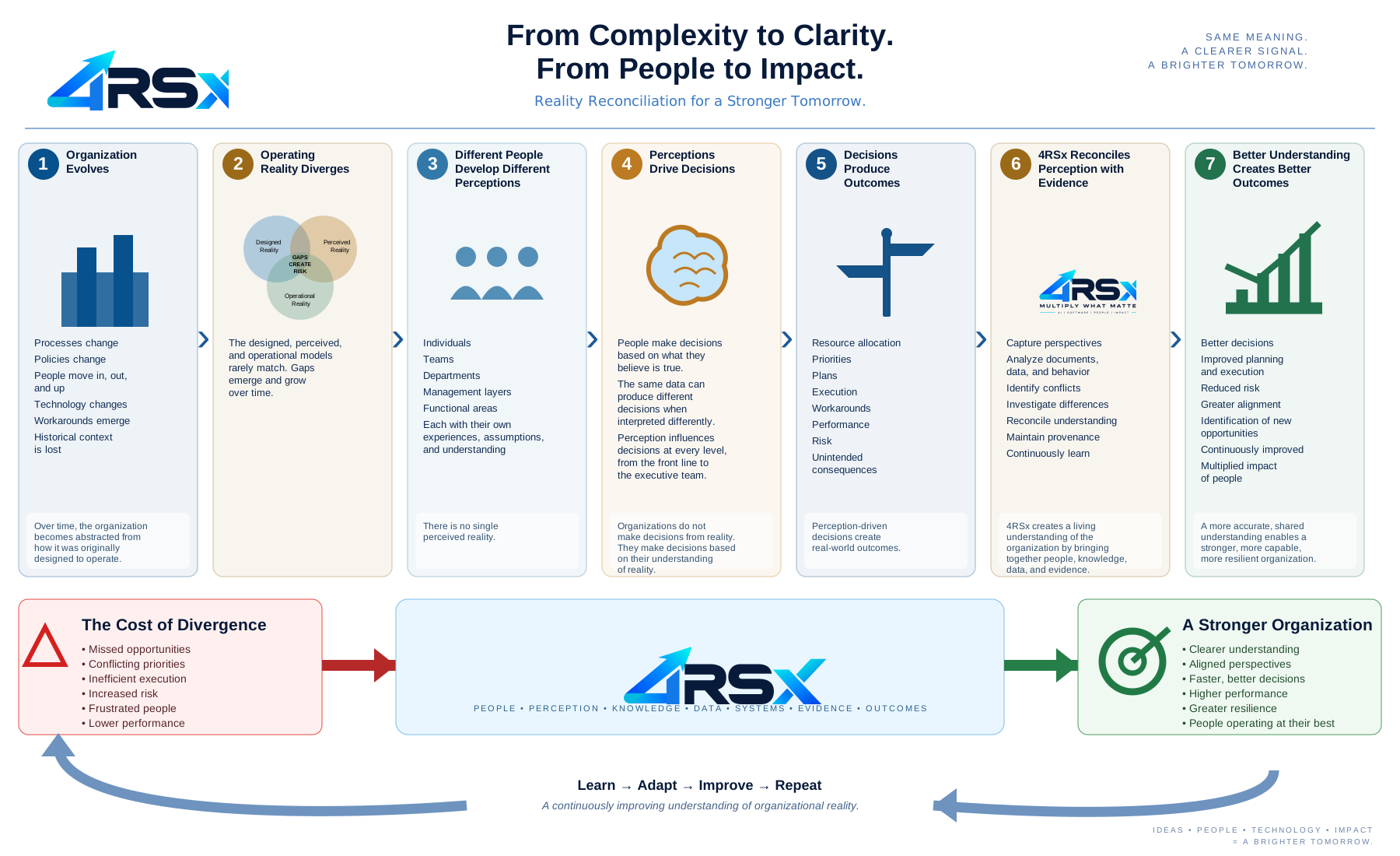
4RSx conceptual flow: complexity through differing realities and perceptions to decisions, outcomes, and clearer shared understanding
Select the image to view the full-size concept graphic.

Keep learning as
the work changes.

Every decision tests our understanding of how the organization works. Did things happen as expected? What got in the way? What did people discover along the way?

Those lessons are useful beyond the immediate problem. They can help another team, change a plan, or reveal a dependency that needs attention.

We’re building 4RSx to help people carry that learning forward—so the next decision benefits from what the organization has already experienced.

Explore the five Rs

Full-size graphic